7 Things Most Couples Wish They Had Known Before the Ceremony
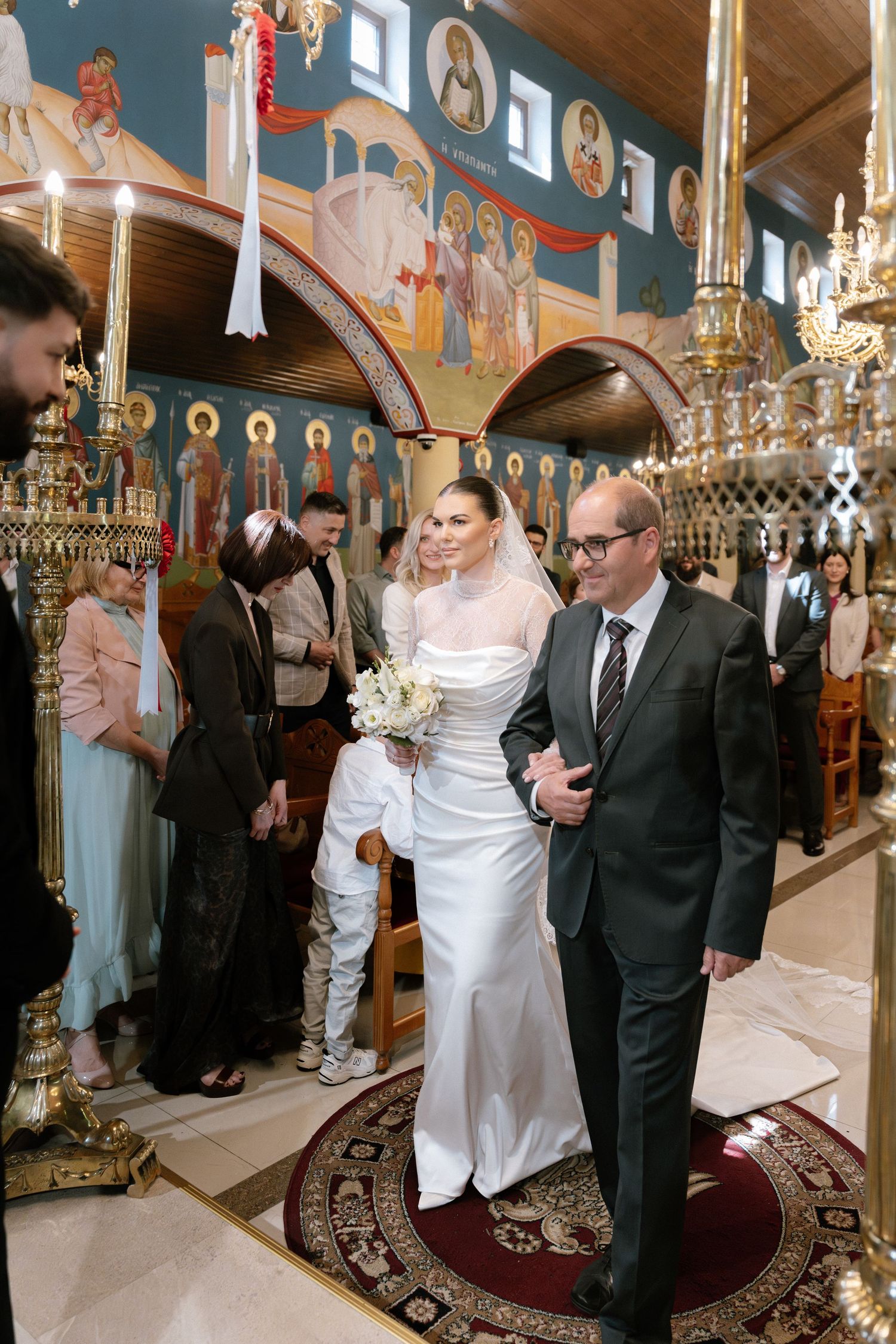
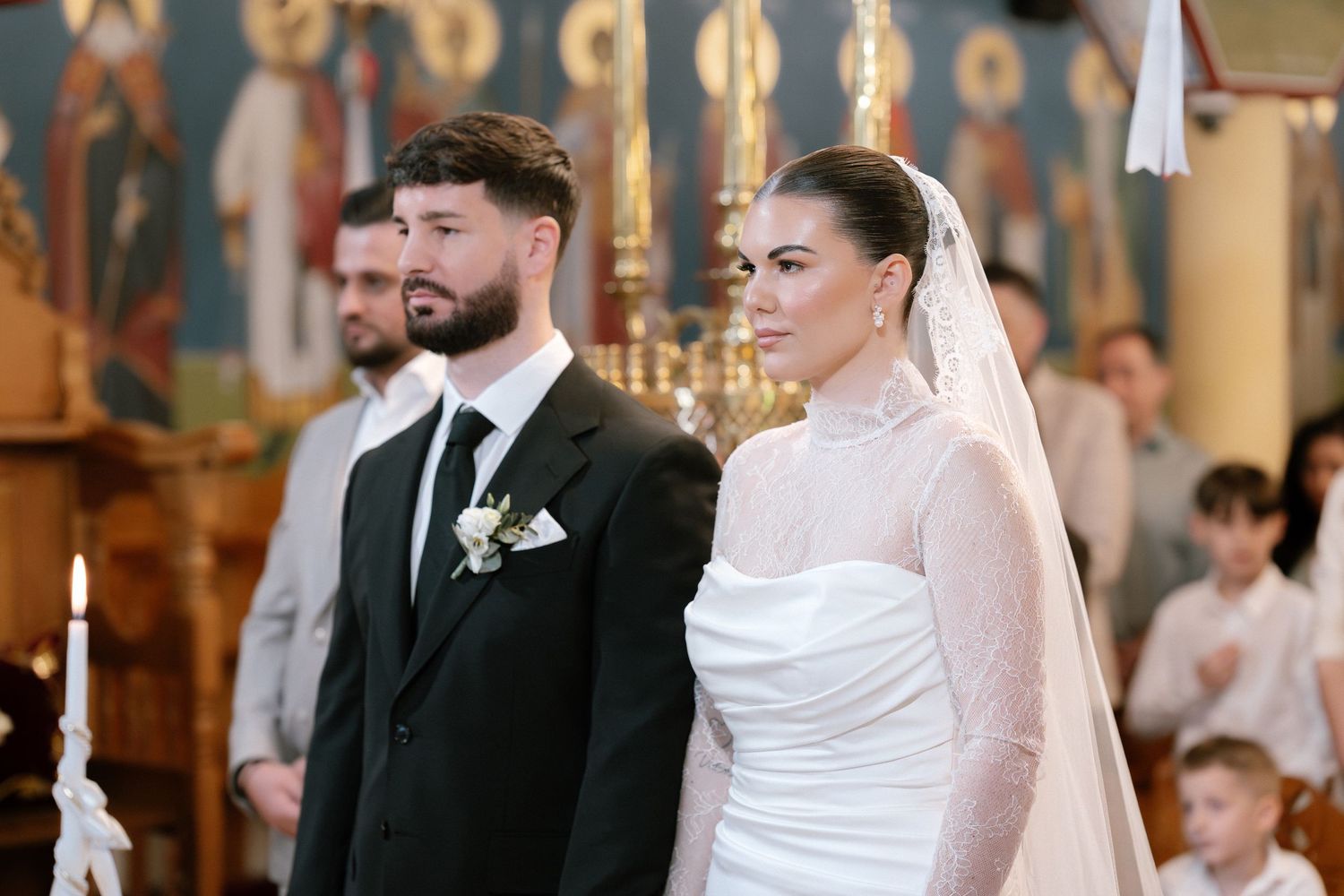
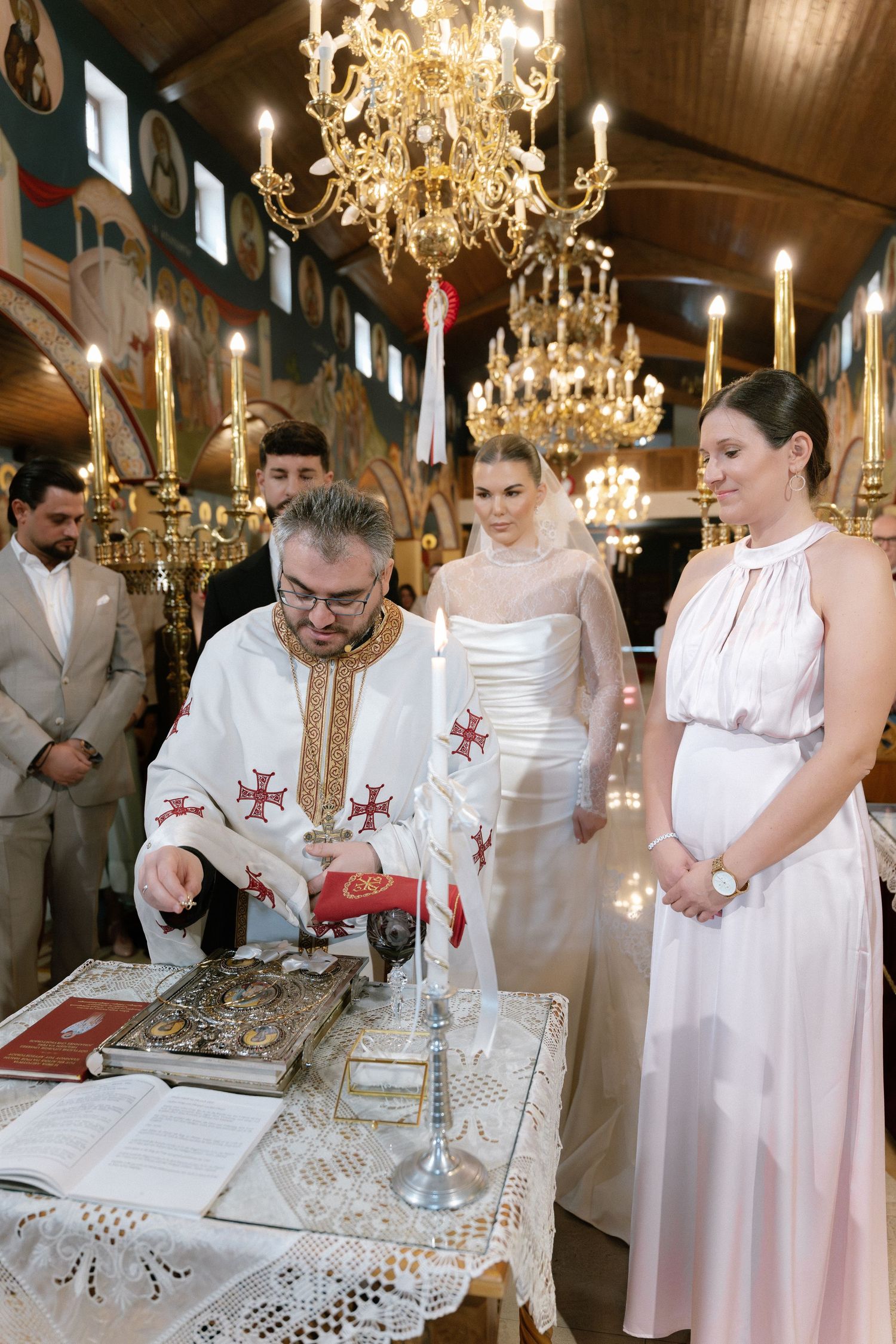
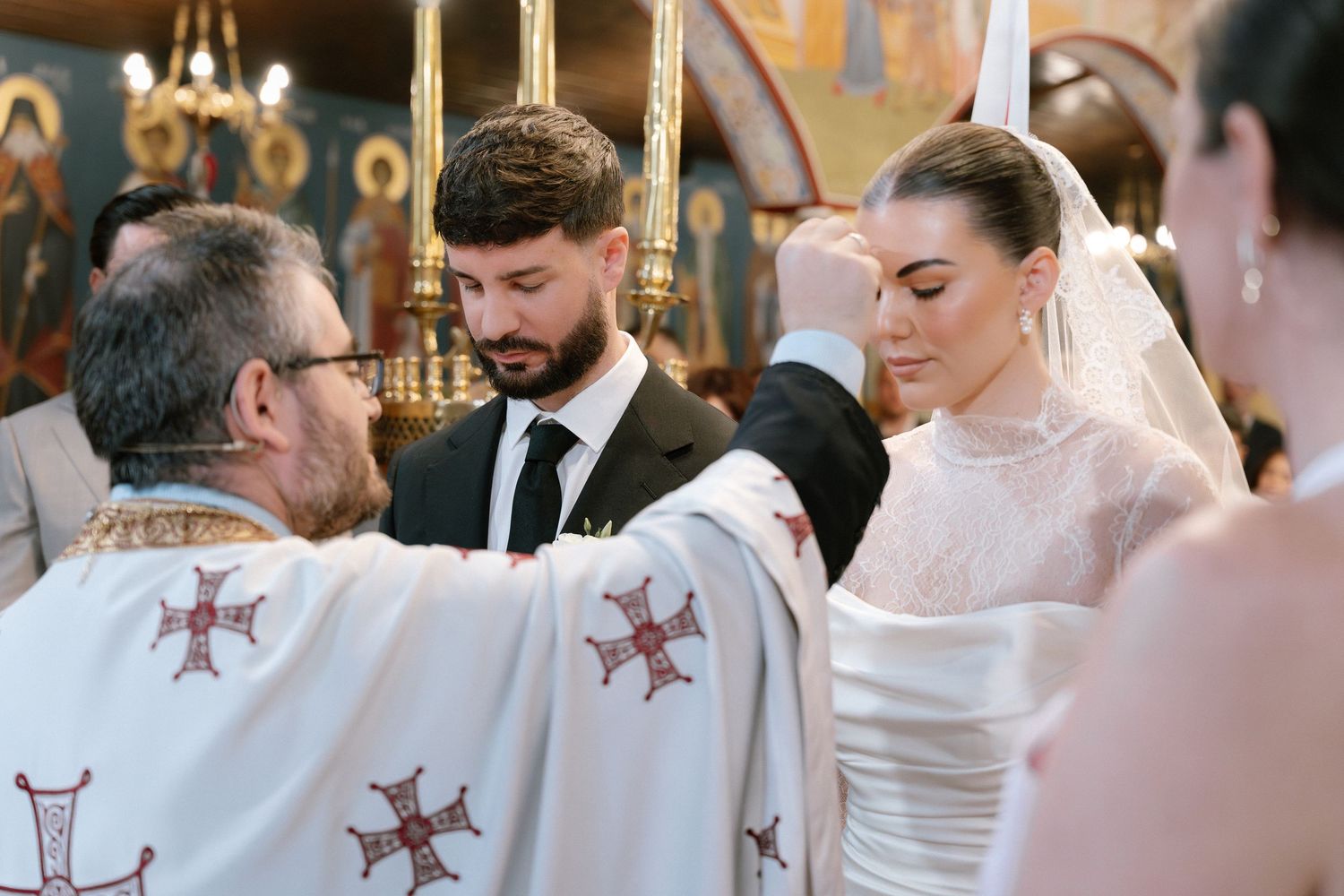
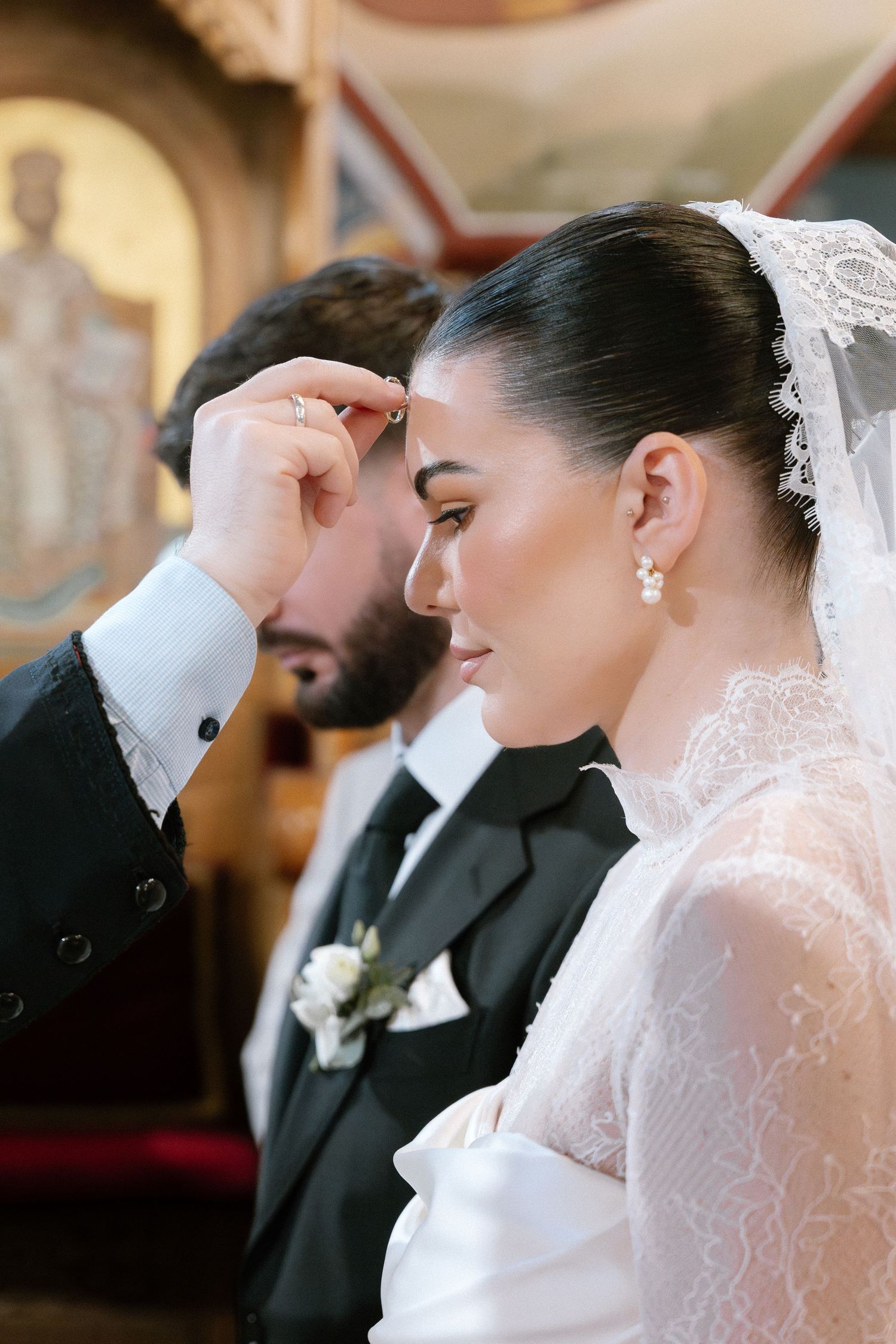
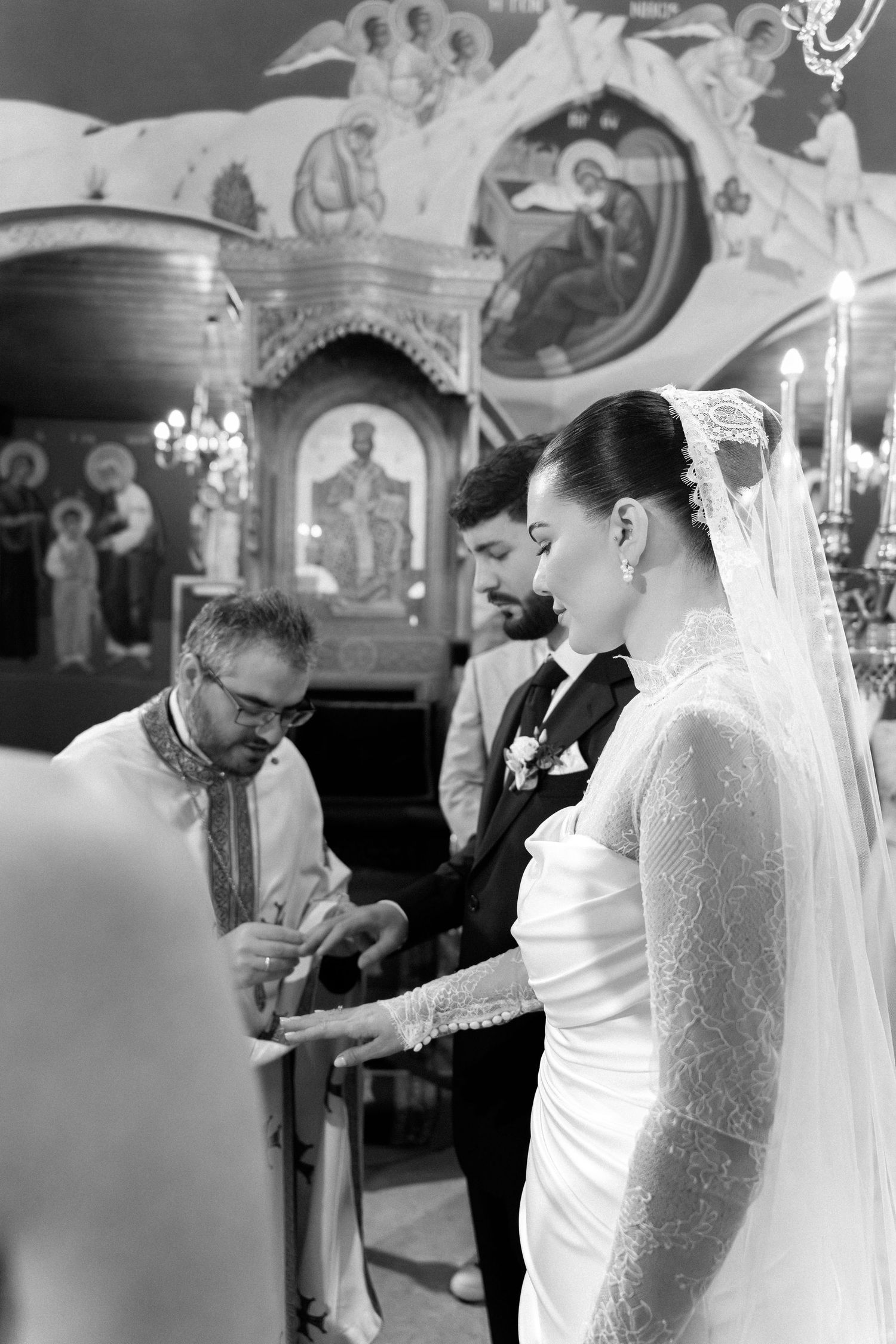
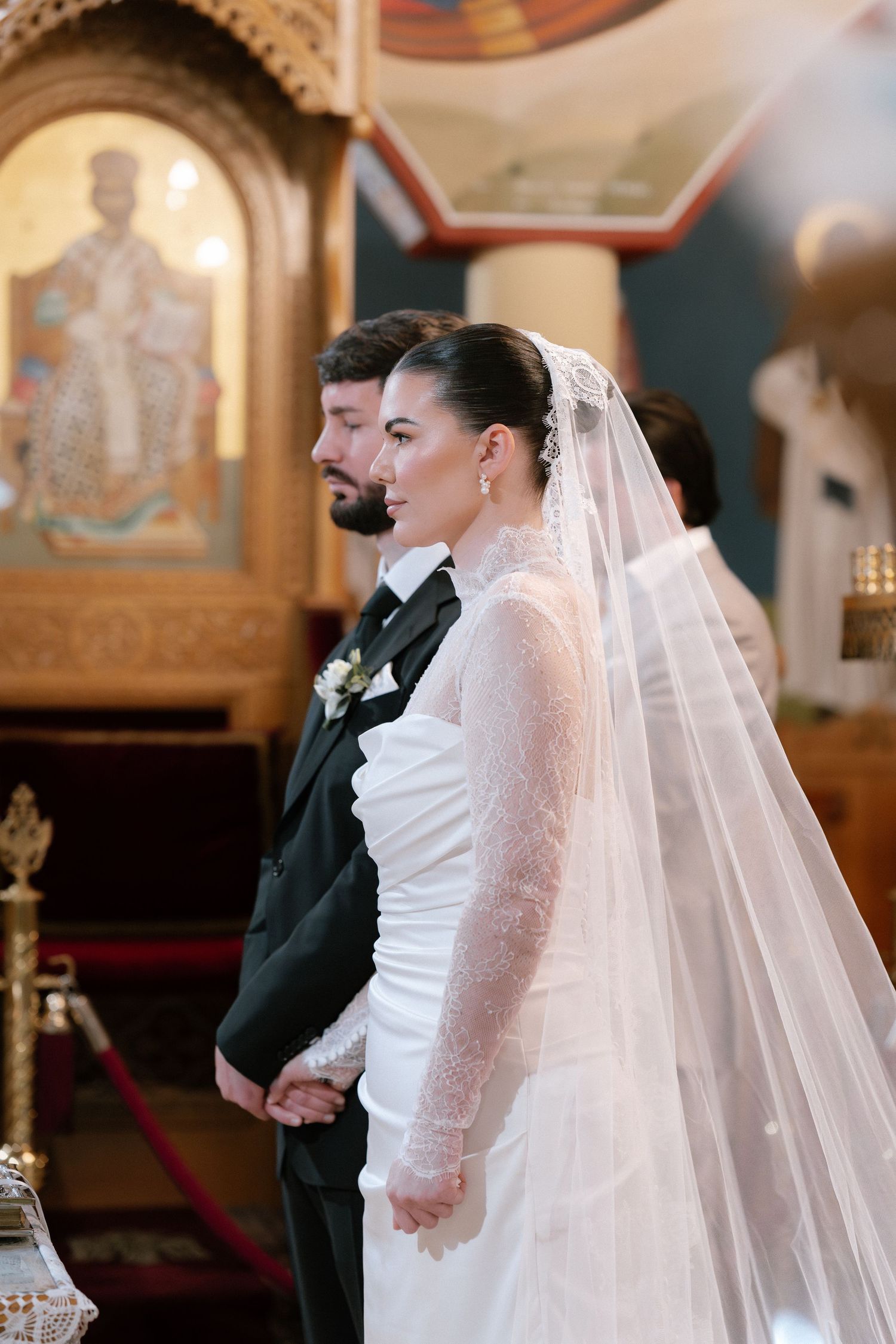
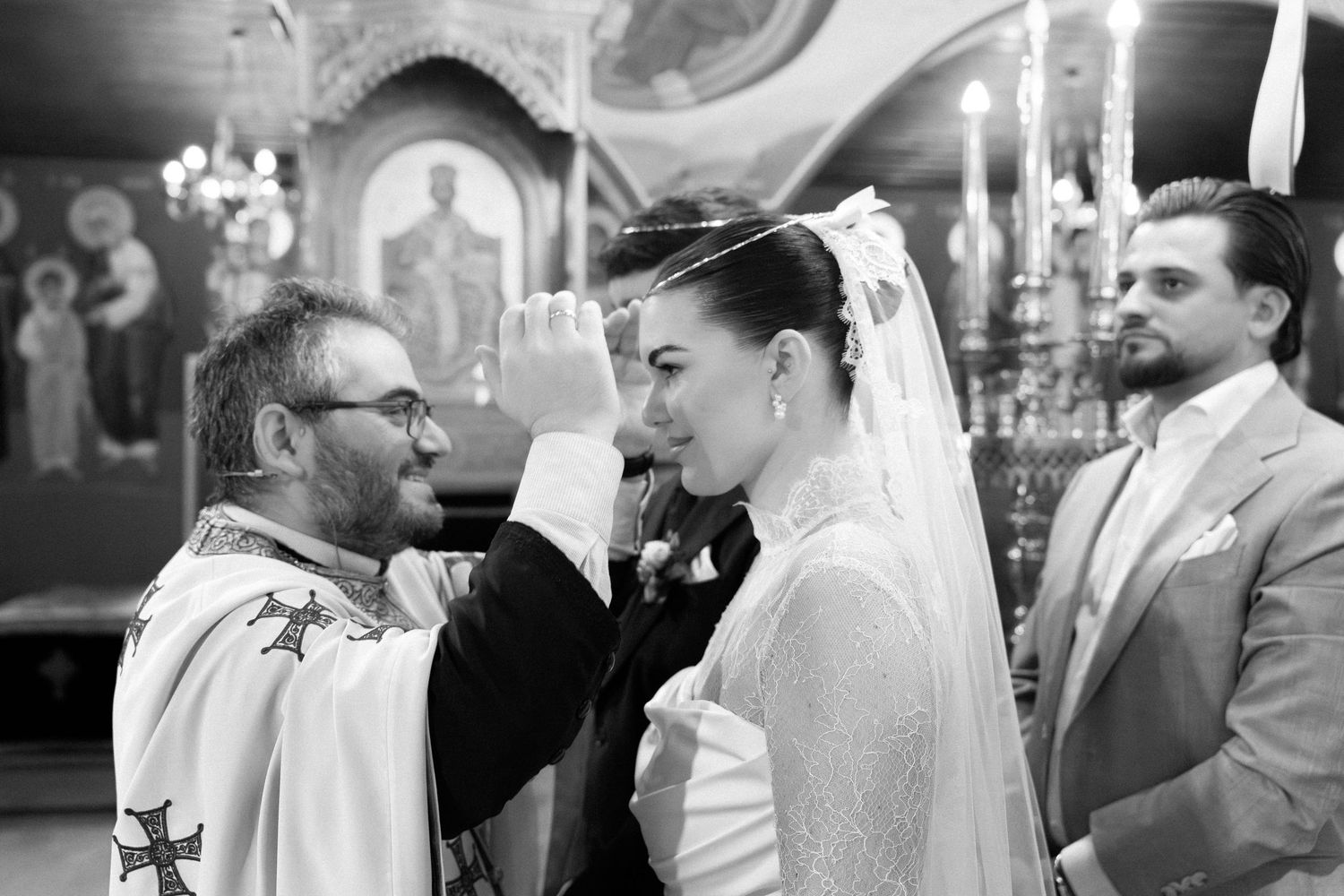
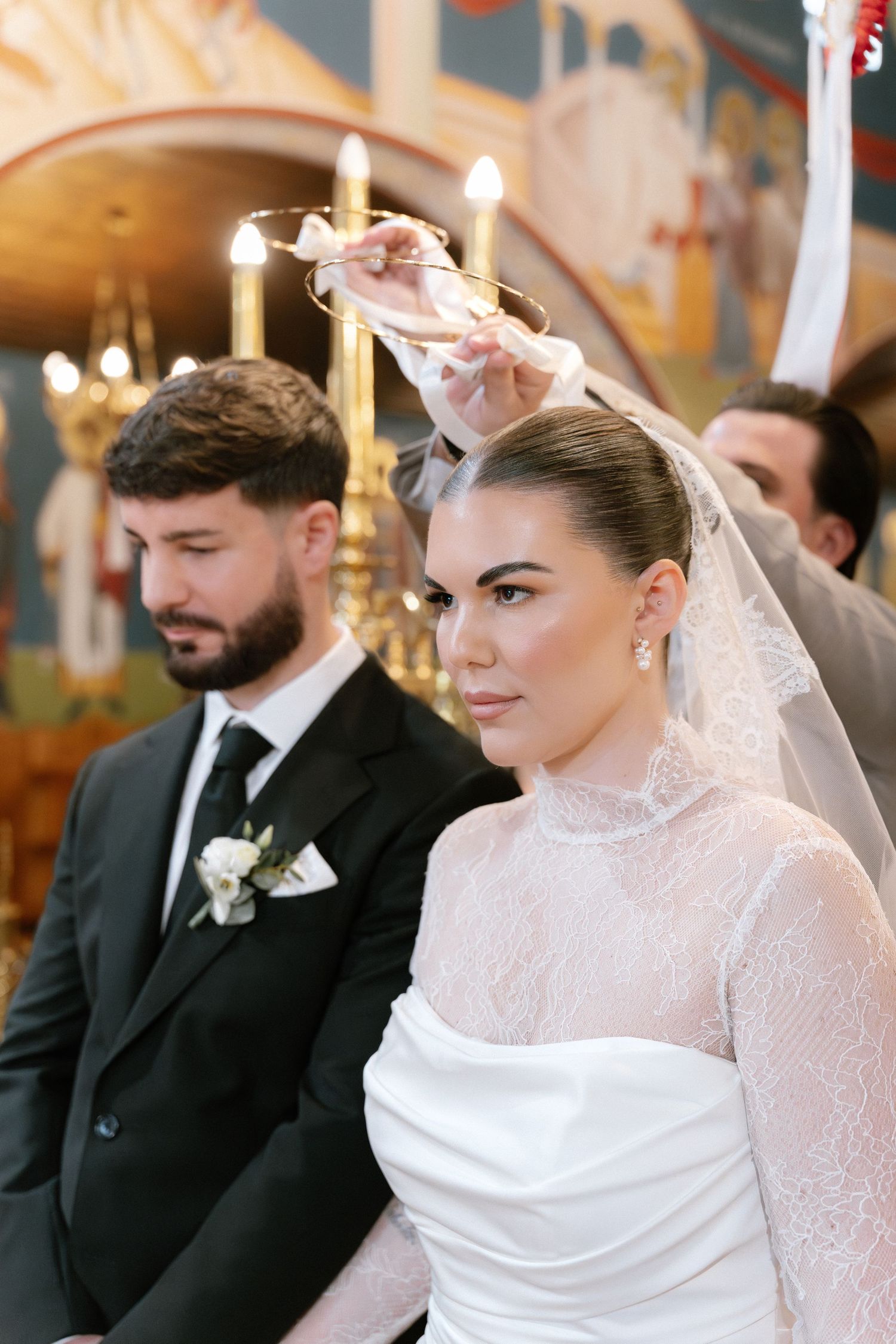
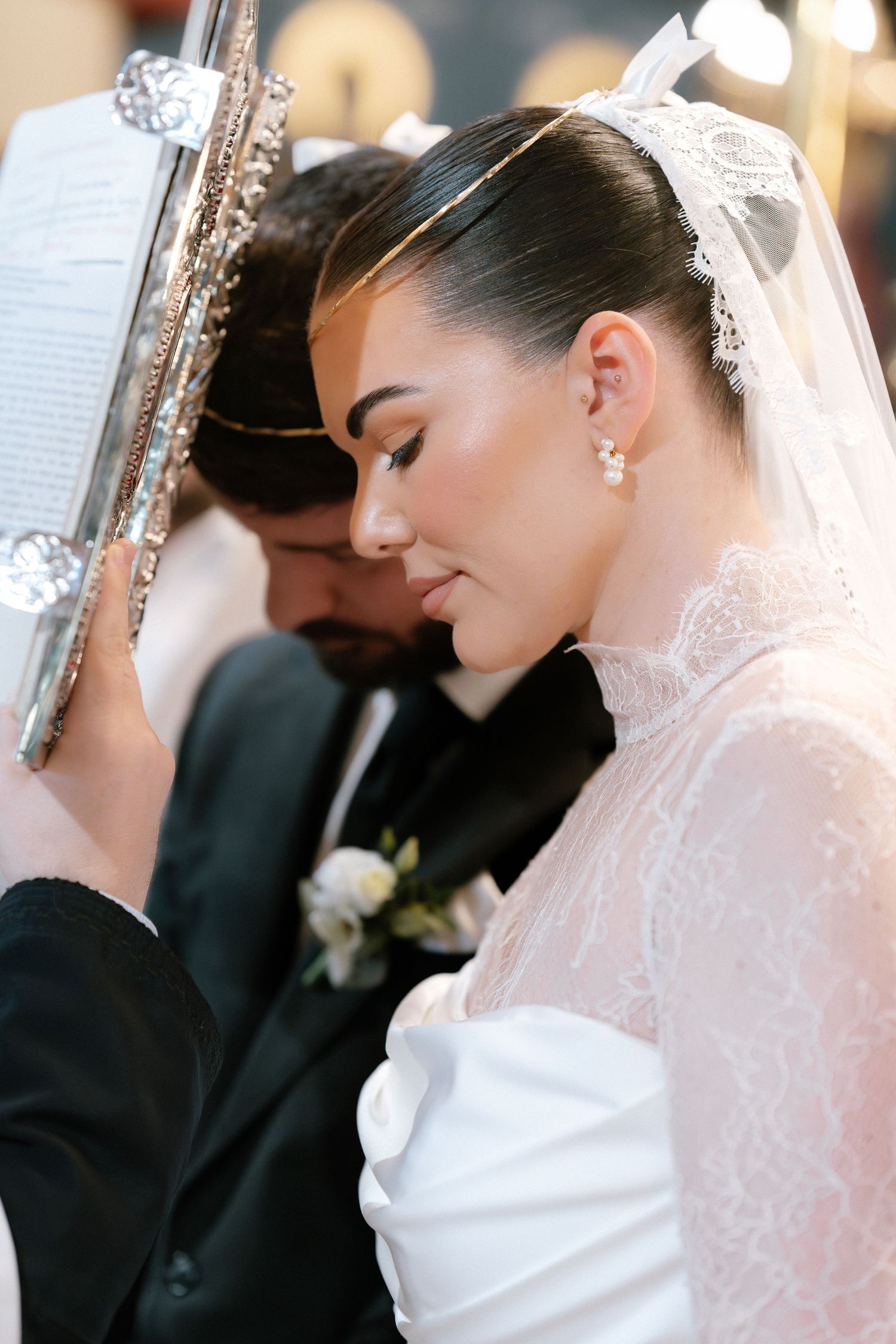
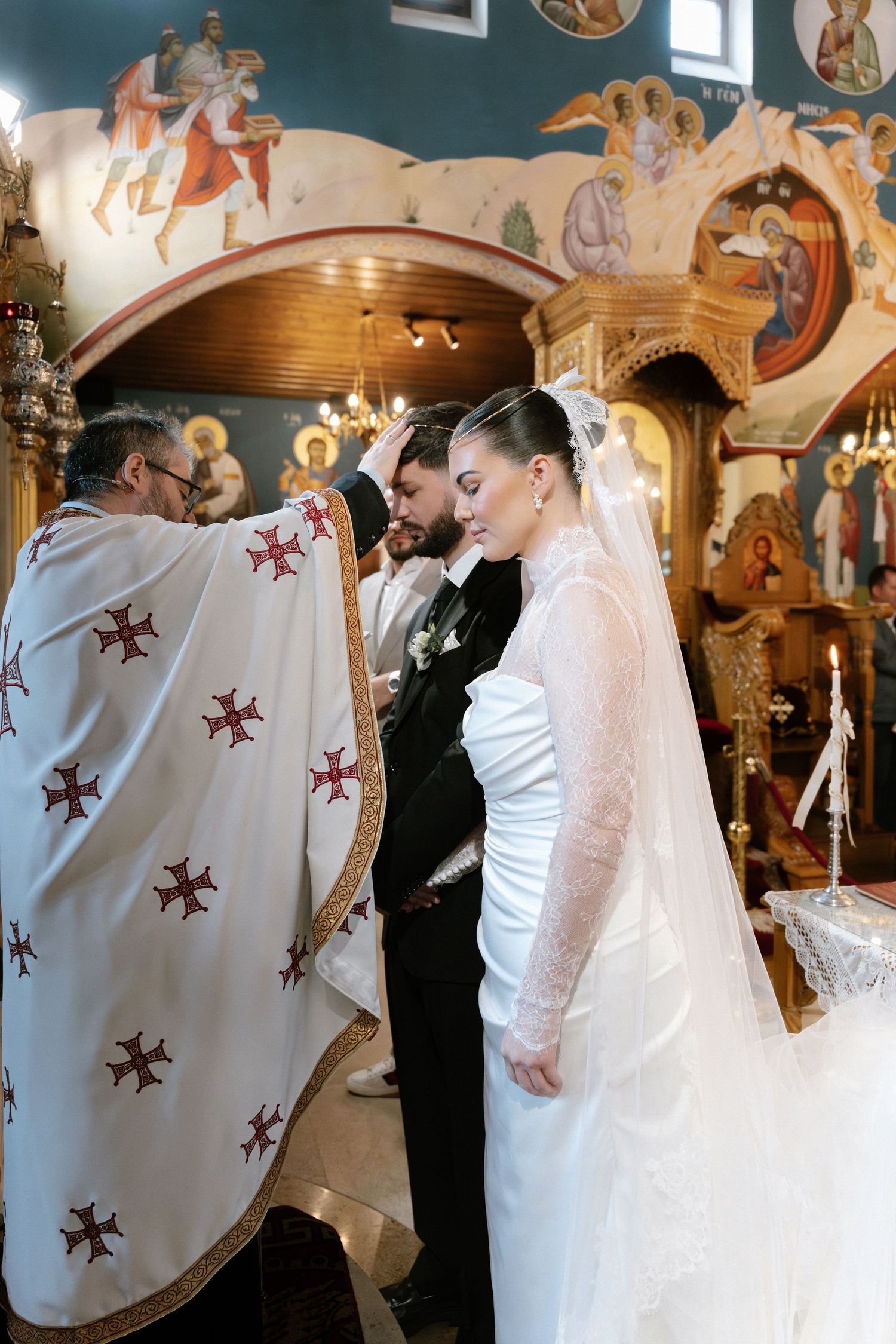
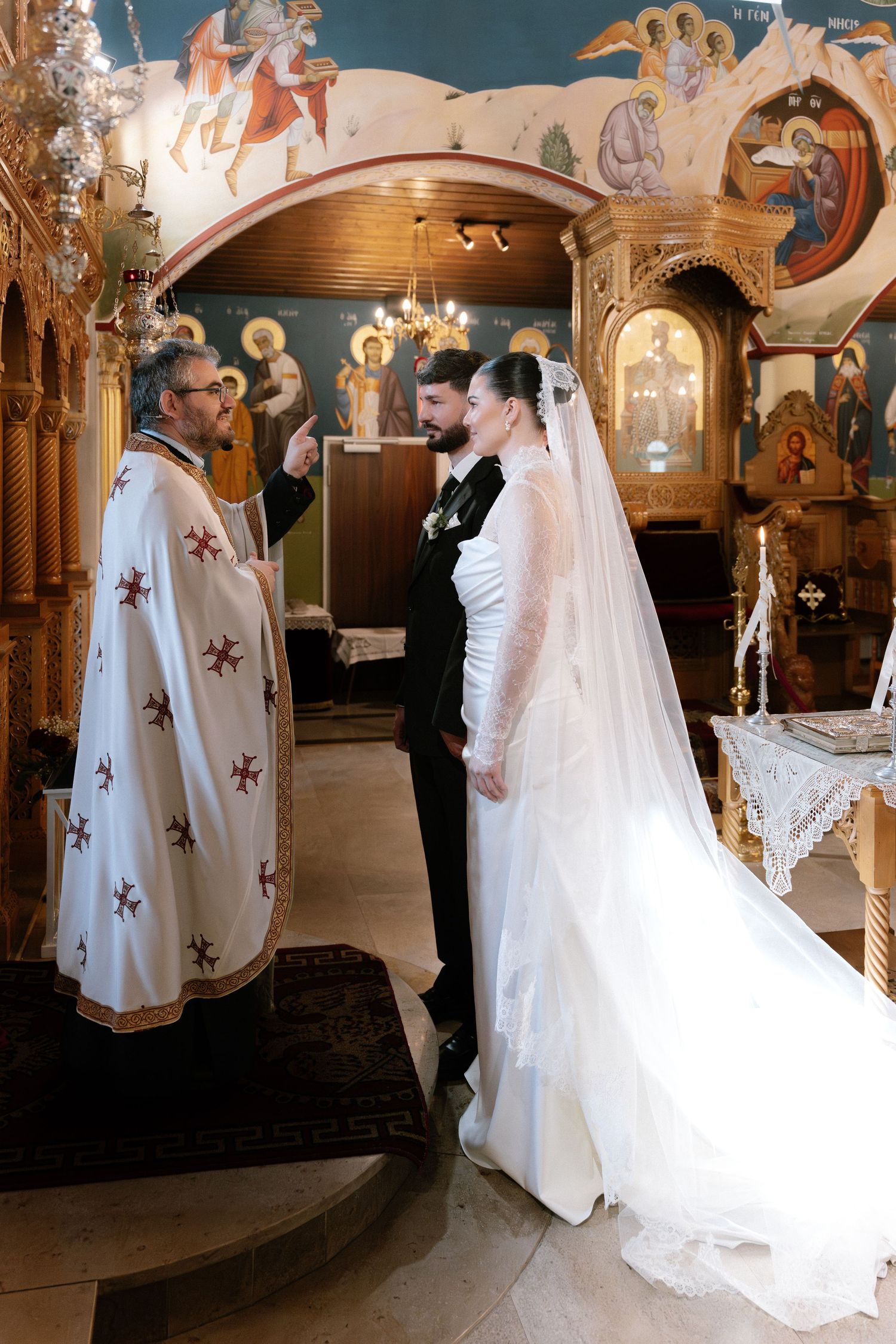
Orthodox wedding ceremonies are unlike any other. Rich in symbolism, centuries-old traditions and beautiful rituals, they often feel less like a performance and more like an experience. If you're planning an Orthodox wedding, here are a few things that make a bigger difference than most couples expect.
1. Don't judge the ceremony by its length.
An Orthodox ceremony is usually longer than many civil or Western ceremonies. It's easy to worry that guests might lose interest—but that rarely happens.
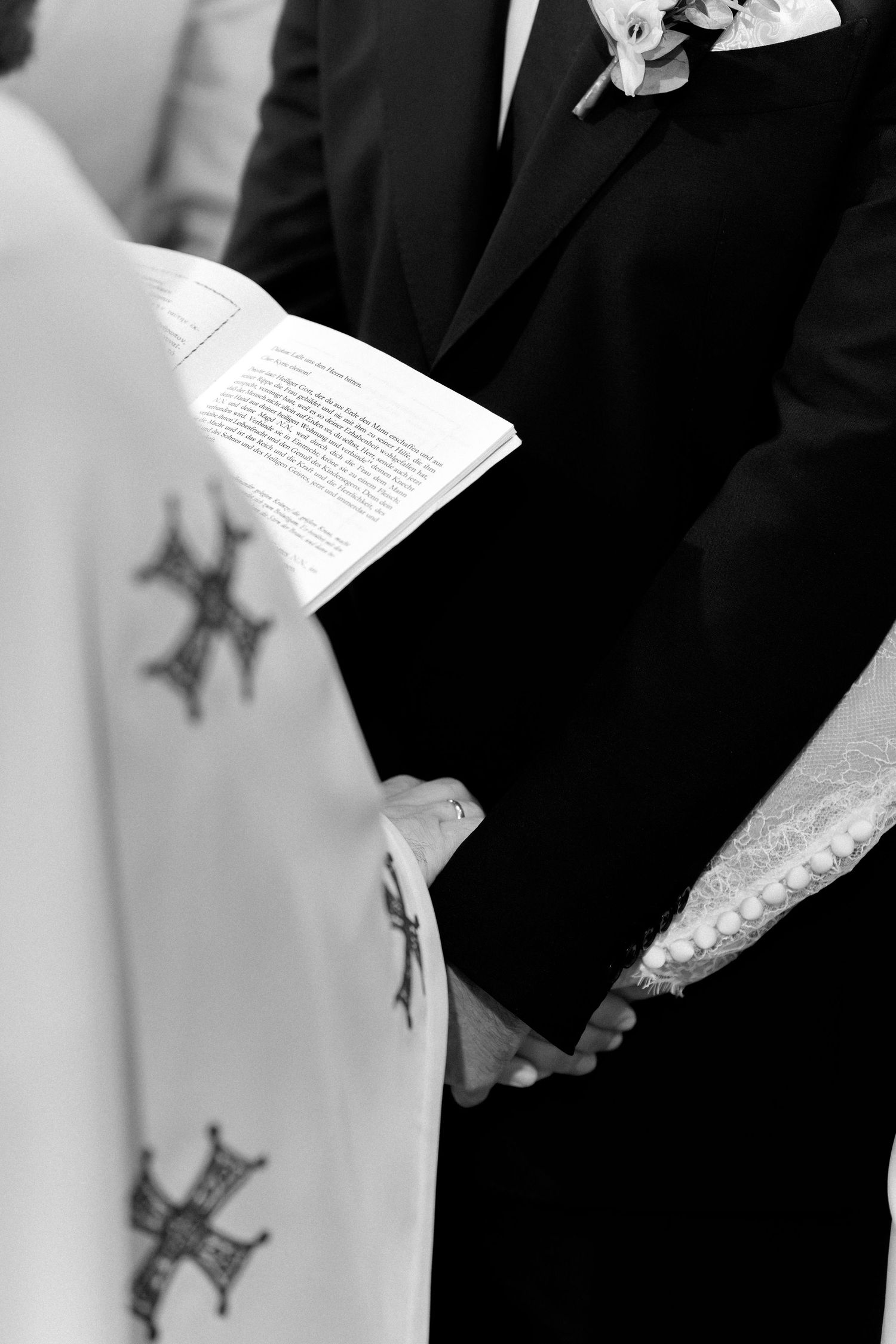
The ceremony is filled with movement, chanting, candlelight and meaningful traditions. Instead of trying to shorten it, help your guests understand what they're witnessing. A small ceremony booklet or a few words from your officiant beforehand can completely change how connected everyone feels.
2. The atmosphere begins long before you enter the church.
One thing I've noticed after photographing weddings is that calm mornings often lead to calmer ceremonies.
Try not to schedule every minute. Leave enough time for getting dressed, family hugs and simply taking in the moment. Those quiet minutes often become some of the most meaningful memories of the entire day.
3. Let your photographer know the traditions in advance.
Every Orthodox church has its own customs and every priest has slightly different guidelines. Some allow photographers to move freely, while others ask them to stay in specific areas or avoid flash.
A photographer who understands the order of the ceremony—or has spoken with the priest beforehand—can anticipate key moments without interrupting the service.
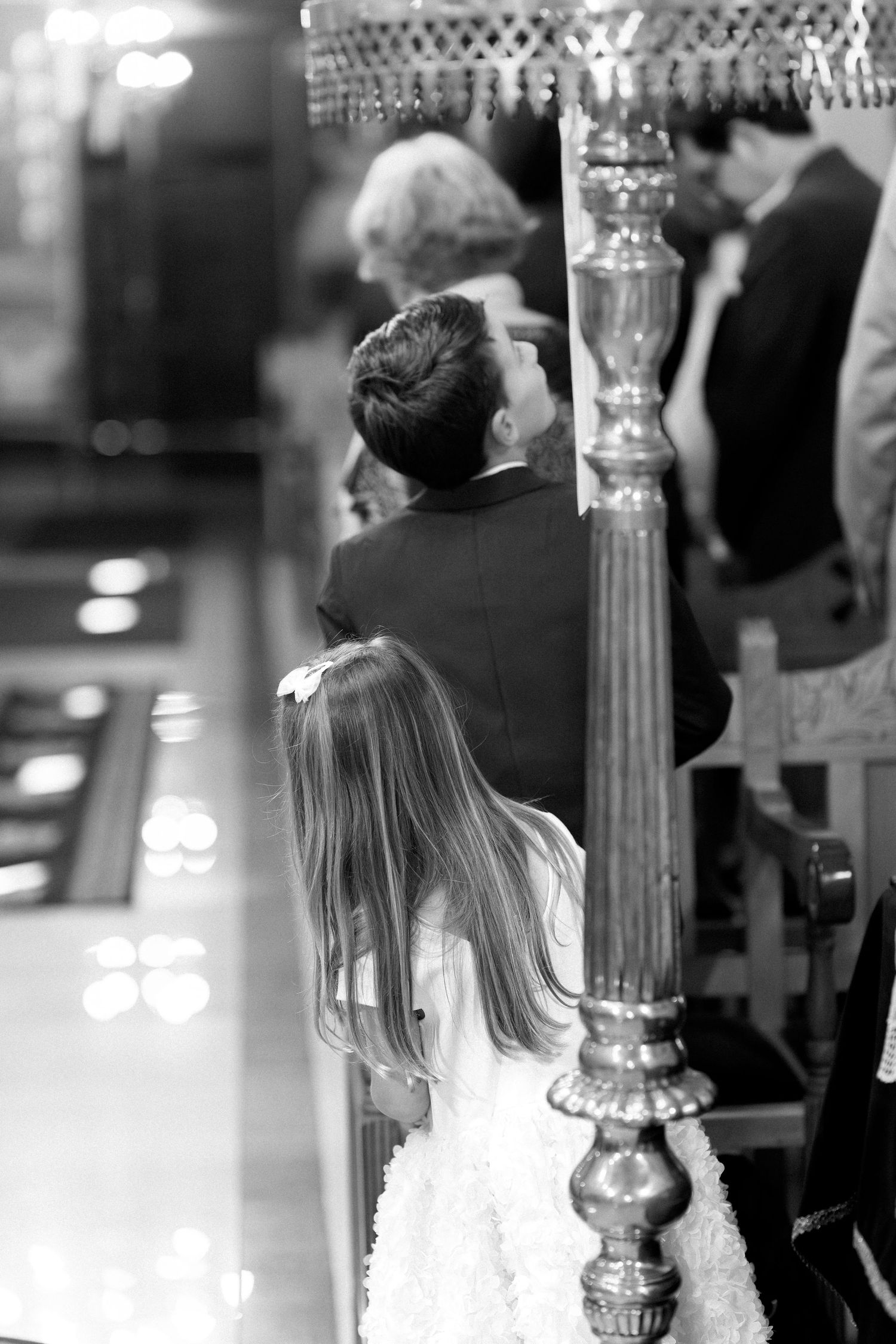
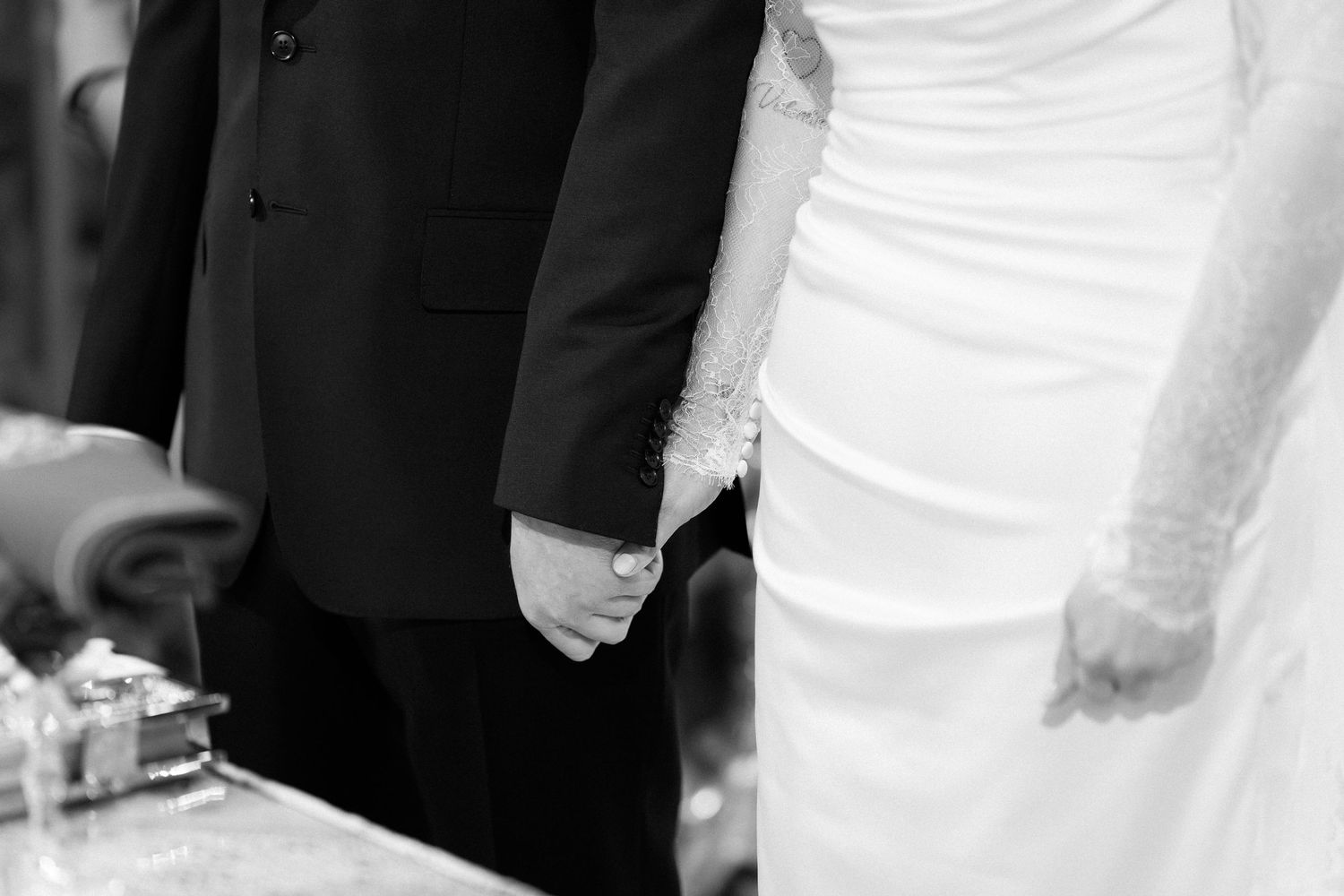
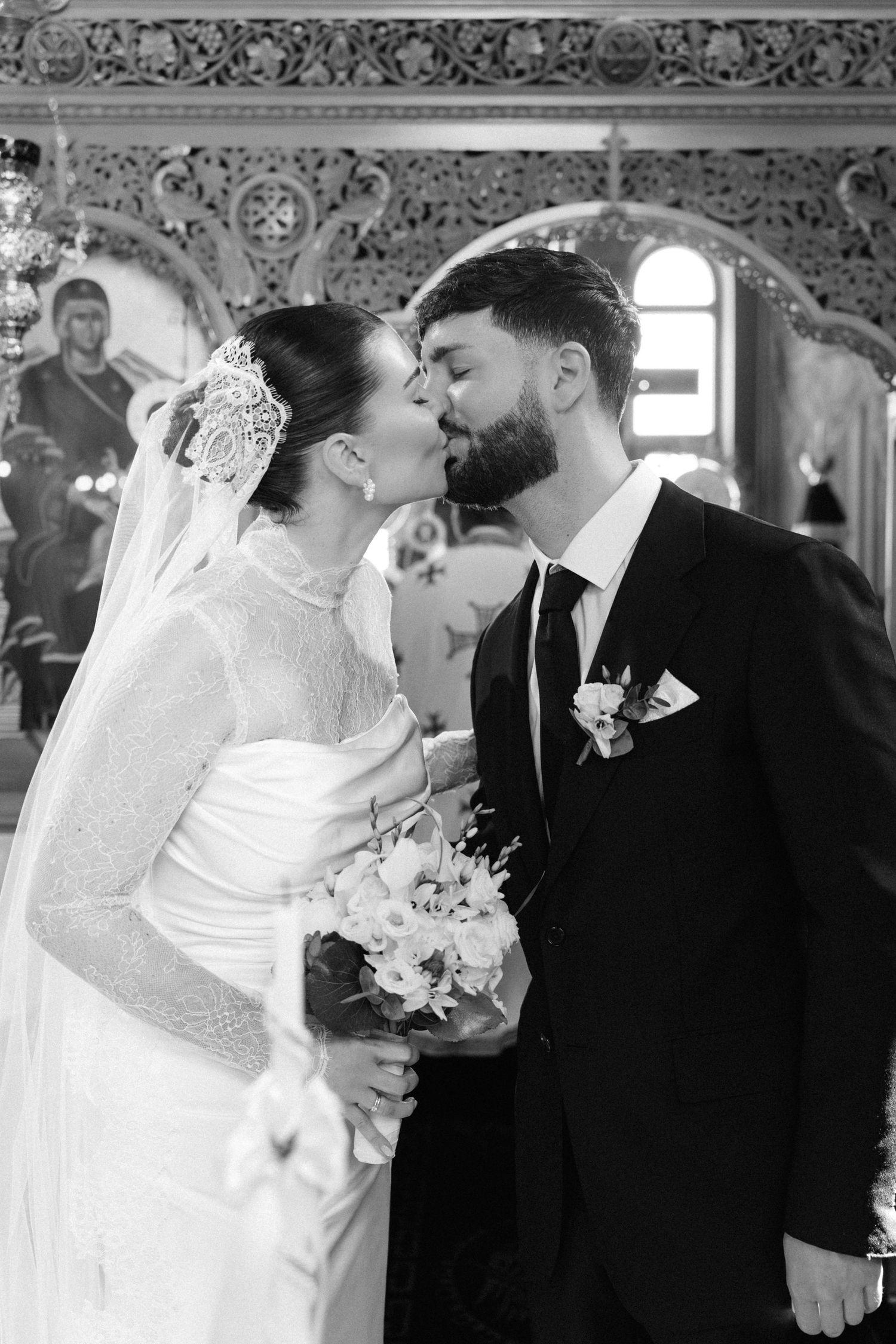
4. Some of the most emotional moments aren't the obvious ones.
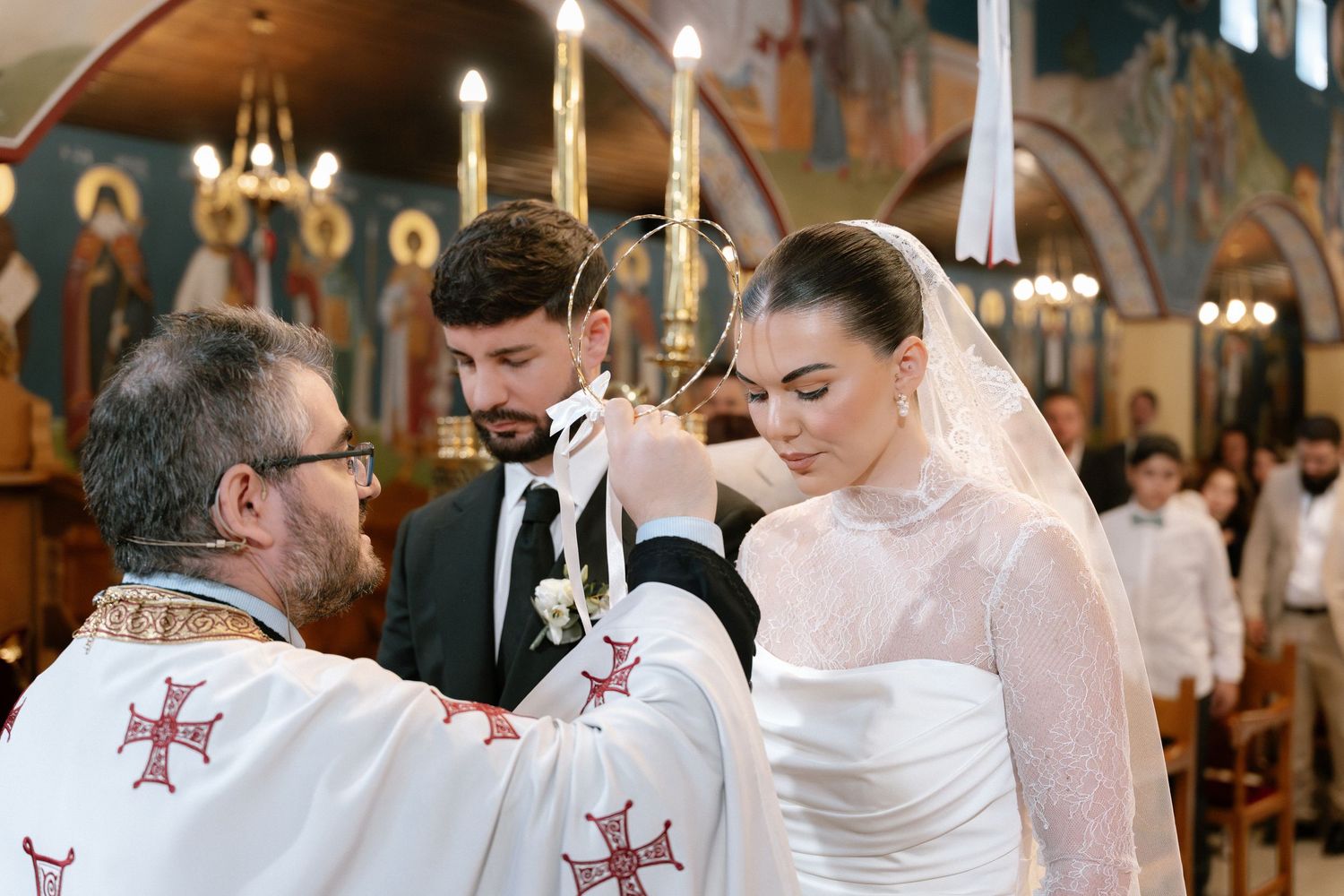
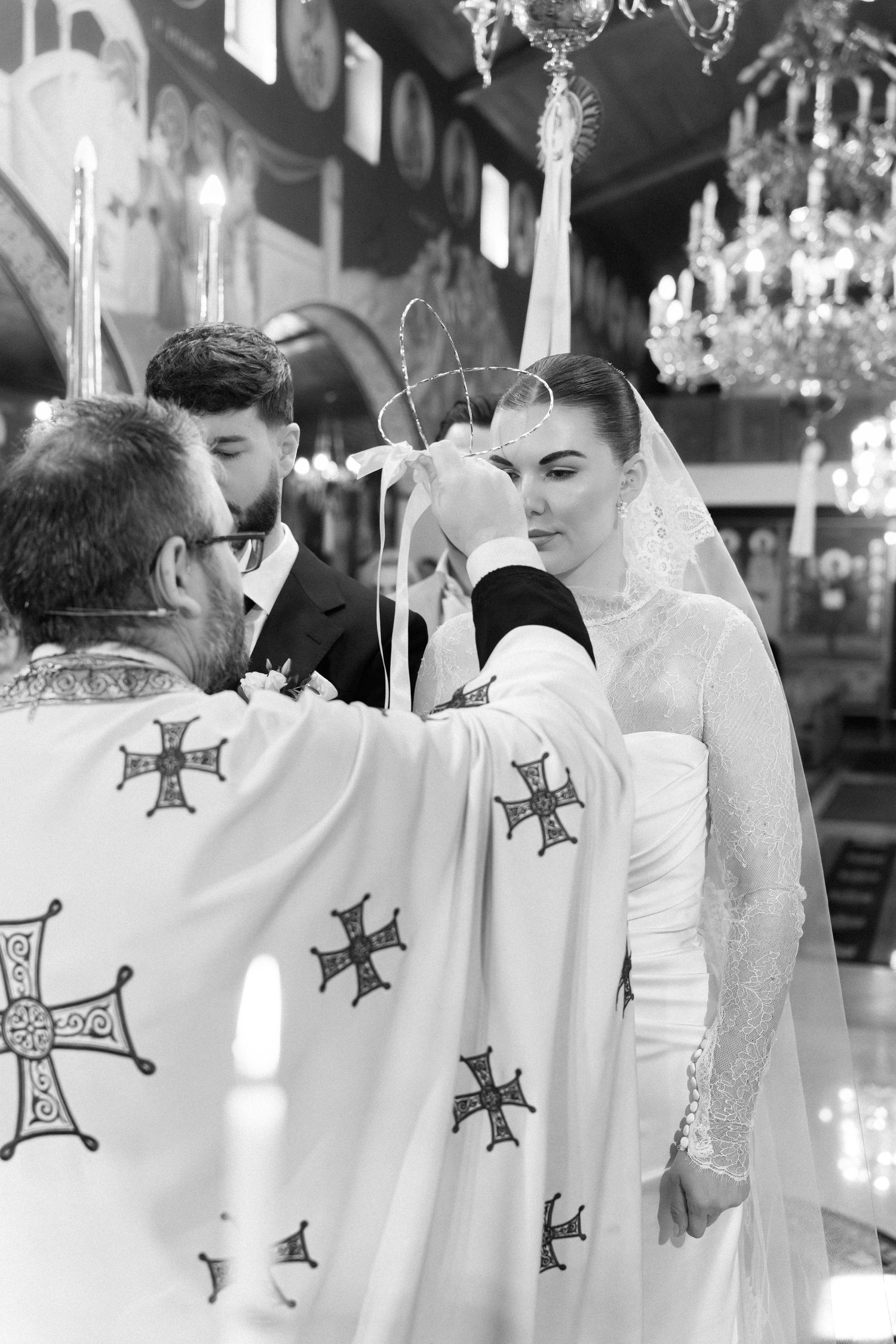
Many couples expect their favourite photos to come from the crowning ceremony.
But often it's something much quieter.
The way your parents look at you during the prayers.
Your hands holding the candles.
A smile exchanged while walking around the altar.
These are the moments you'll probably come back to years later.
5. Don't rush straight to portraits afterwards.
Orthodox ceremonies are deeply emotional—for you and for your families.
Give yourselves a few minutes after leaving the church before jumping into group photos. Hug your grandparents. Talk to your guests. Take a deep breath.
The portraits will feel much more natural once you've had a moment to simply be present.
6. Think about the church when choosing your timeline.
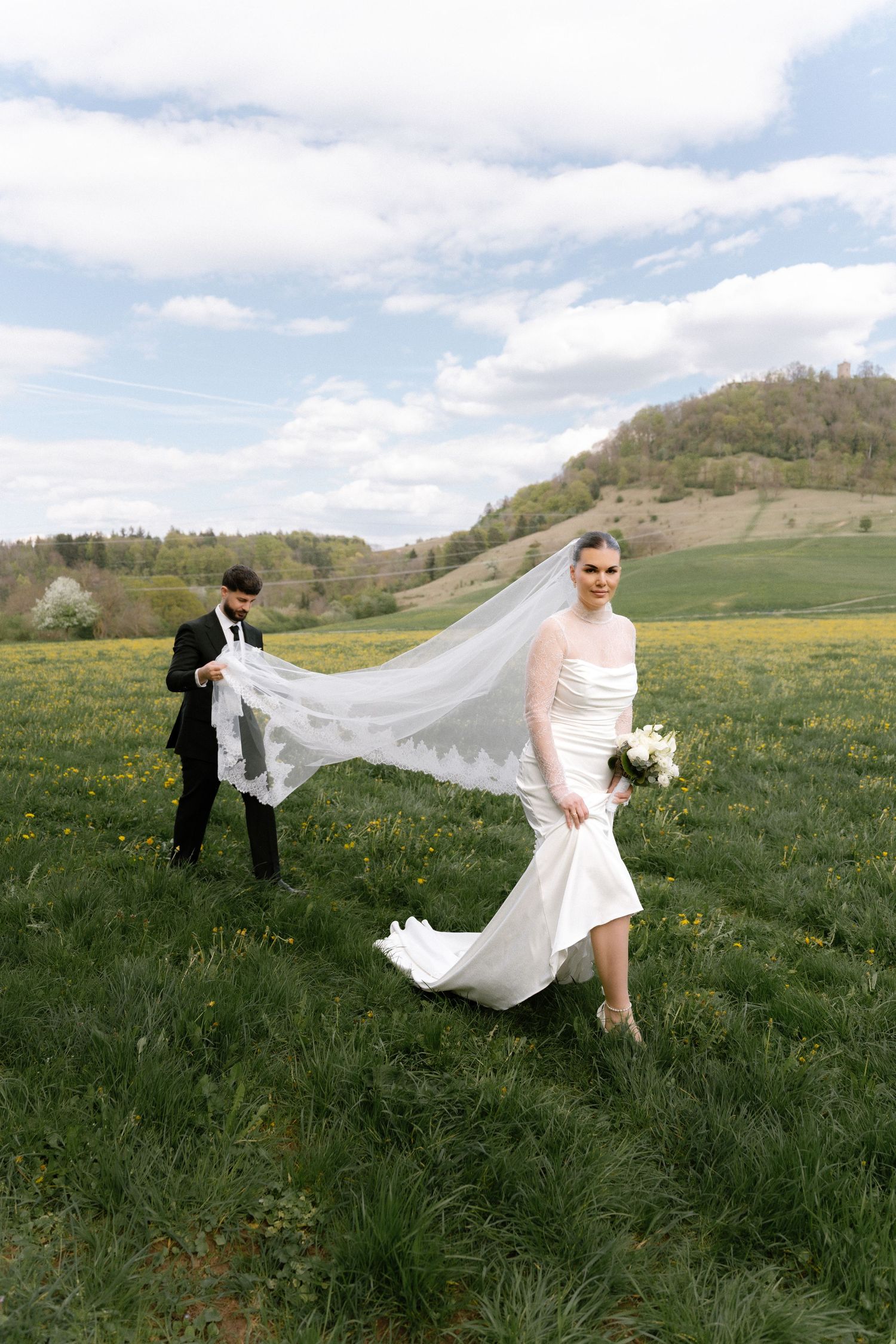
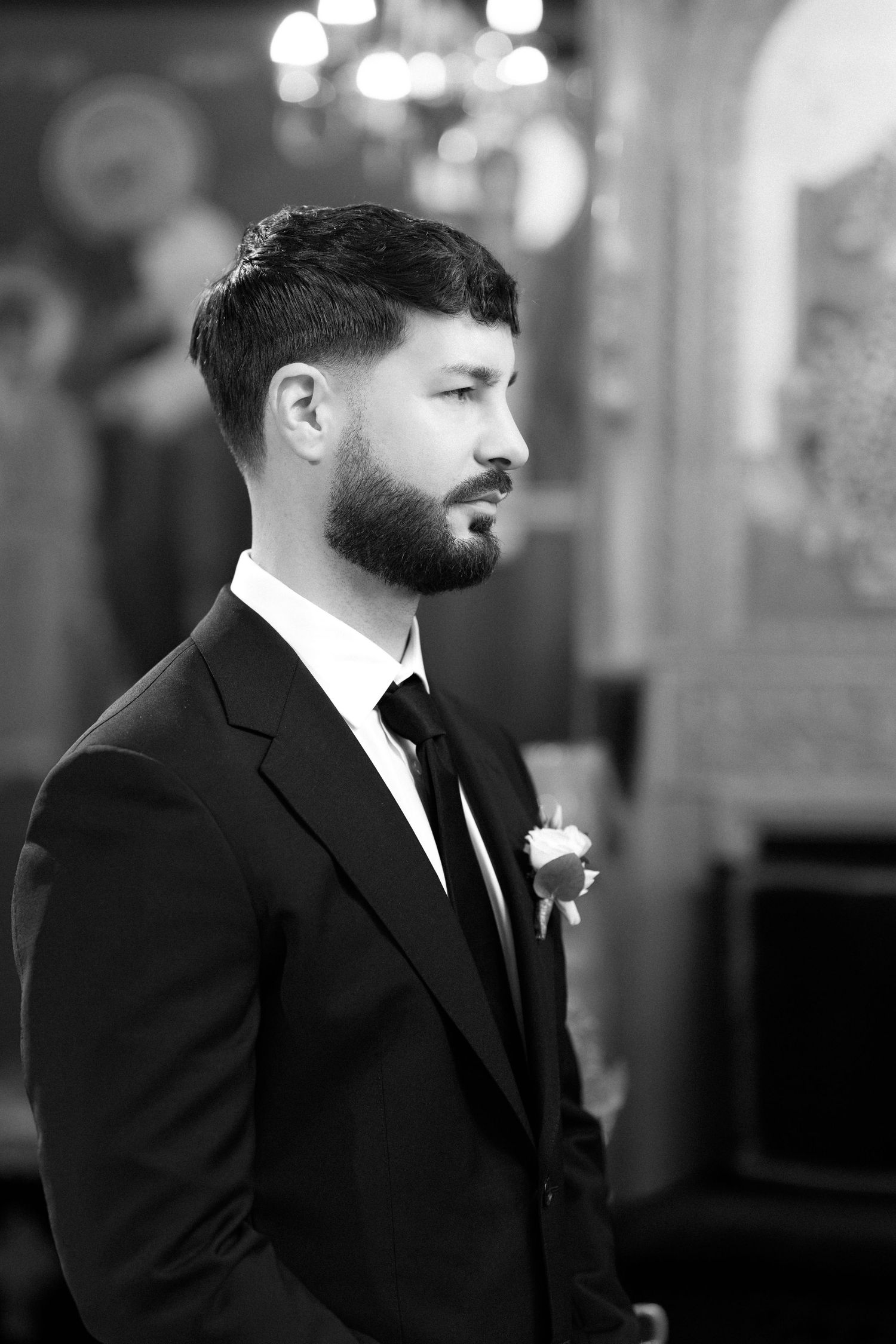
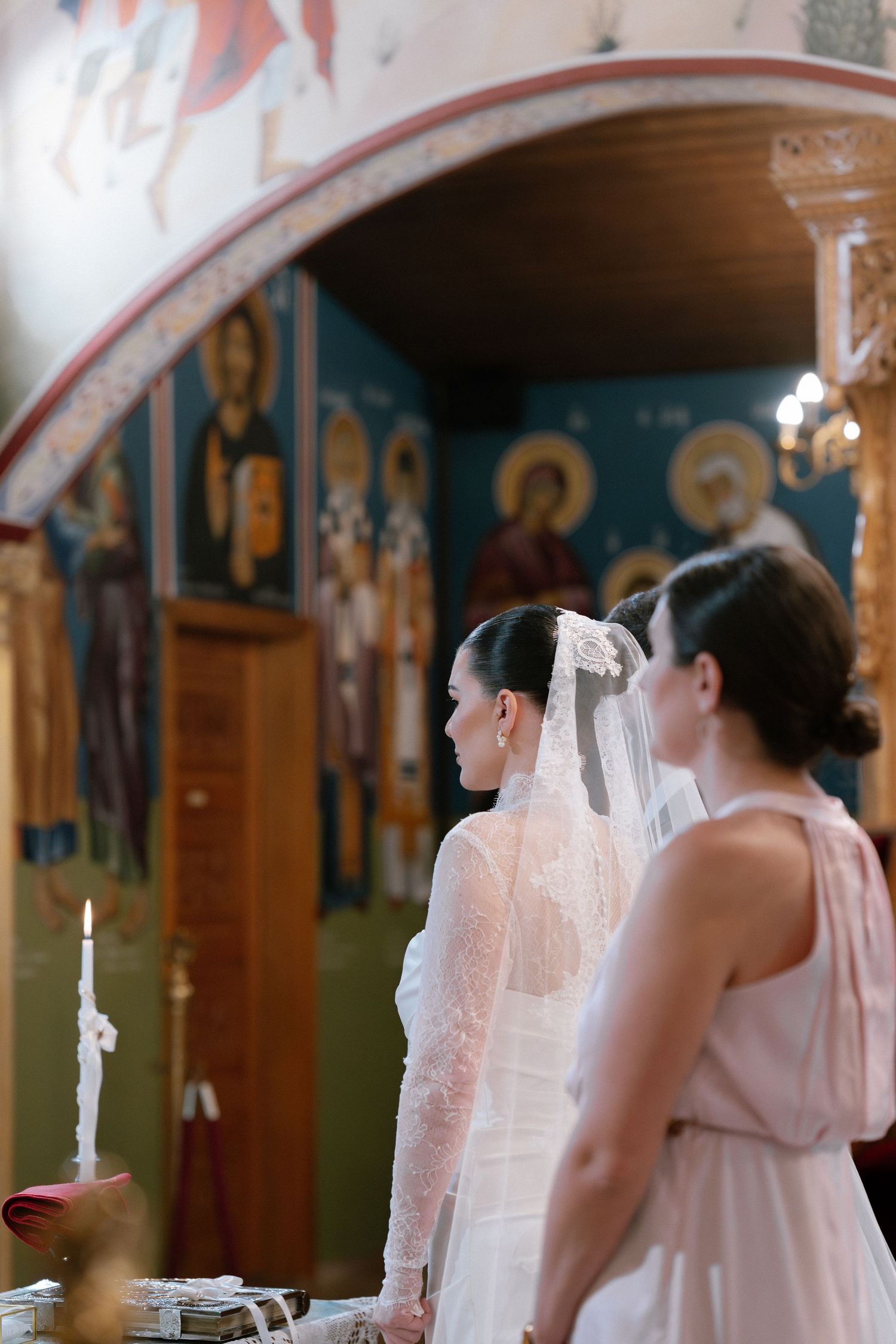
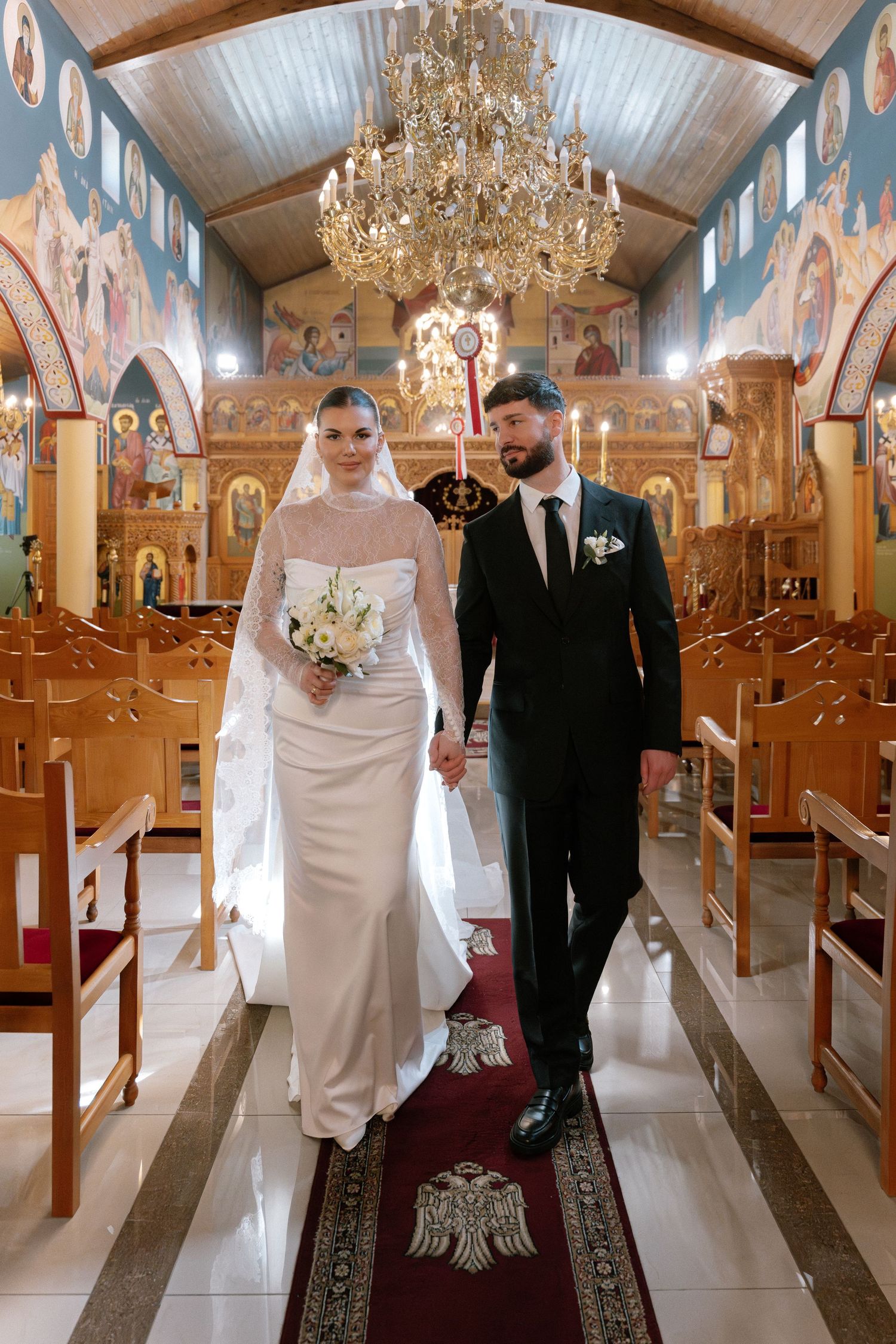
Orthodox churches are often dimly lit and incredibly atmospheric. If you're planning portraits around the ceremony, leave enough time afterwards to step outside while the light is still soft. It creates a beautiful contrast between the intimate feeling inside the church and the openness of the outdoors.
7. Remember what people will actually remember.
Years from now, your guests probably won't remember every ritual in the exact order.
They'll remember how the ceremony made them feel.
The candlelight.
The chanting.
The crowns.
The quiet.
The sense that they had witnessed something timeless.
That's the beauty of an Orthodox wedding—it isn't built around entertainment, but around meaning.
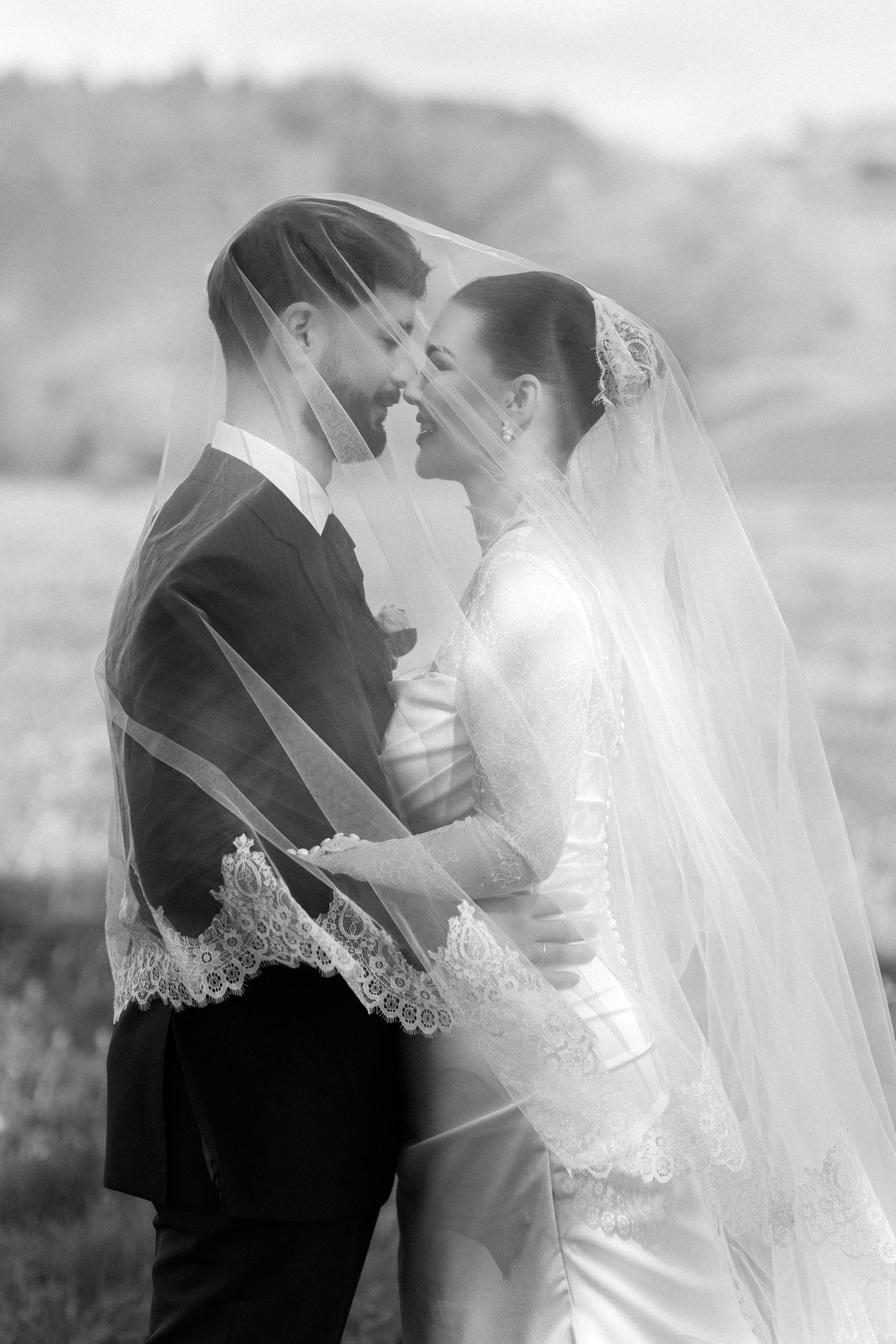
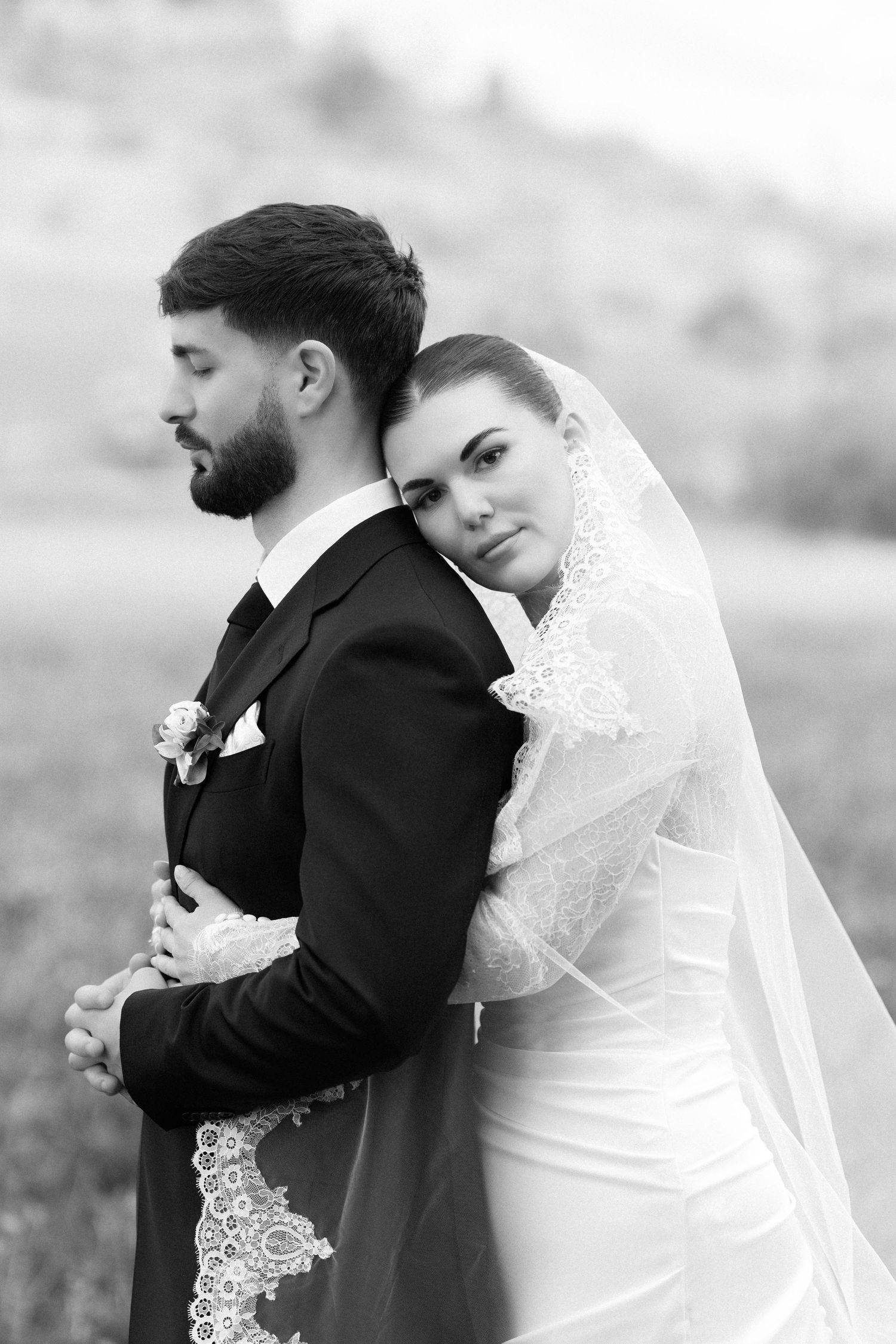
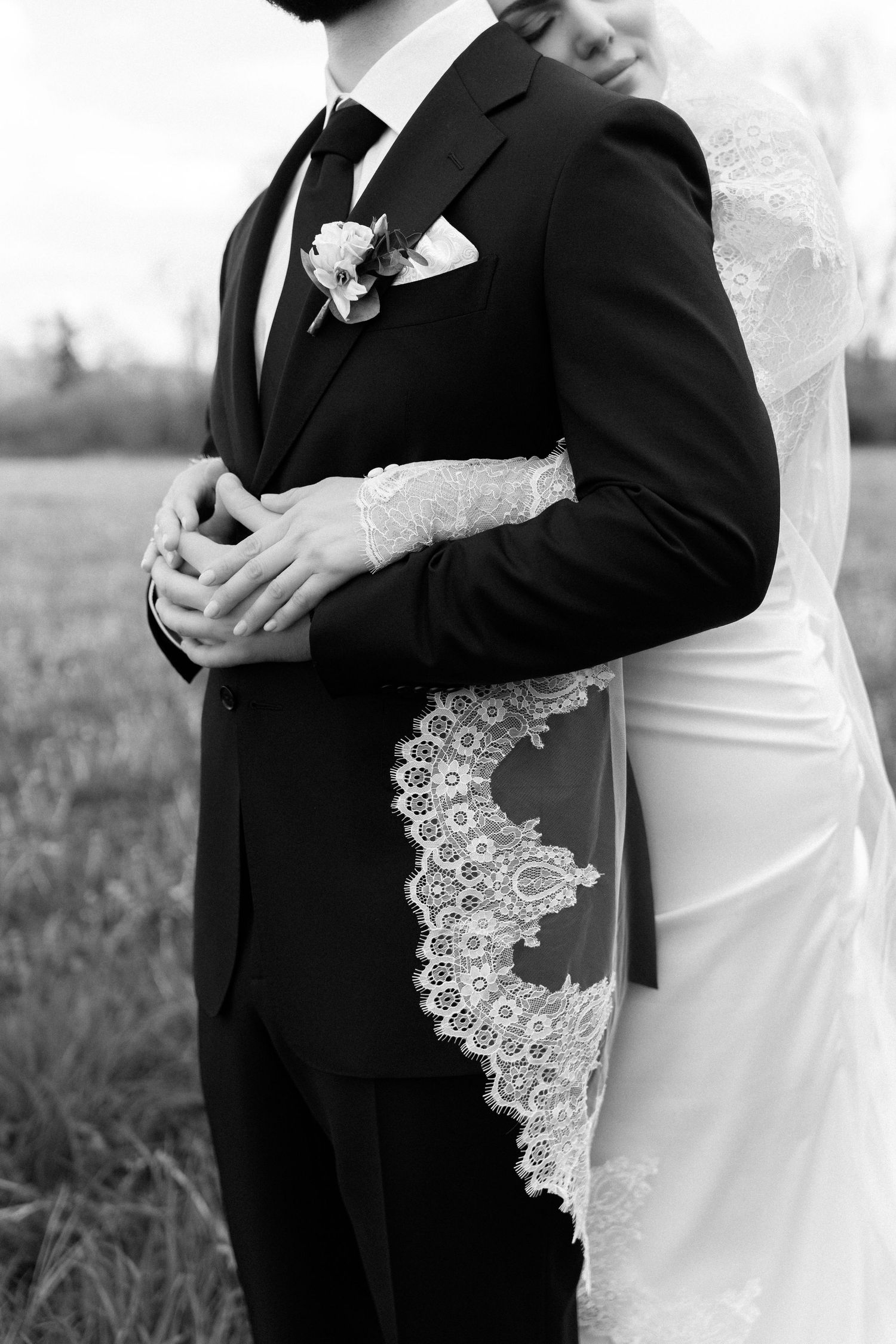
If you're planning an Orthodox wedding in Germany or anywhere in Europe, I hope this gallery gives you a glimpse of how beautifully these traditions can be documented while preserving the atmosphere that makes them so unique.